Buy low-cost.eu ?
We are moving the project
low-cost.eu .
Are you interested in purchasing the domain
low-cost.eu ?
domain@kv-gmbh.de · 0541-91531010
Buy low-cost.eu ?
What is the meaning of high voltage and low voltage?
High voltage refers to an electrical potential difference that is significantly higher than the standard voltage levels, typically above 1000 volts. It is commonly used in power transmission and distribution to reduce energy losses over long distances. On the other hand, low voltage refers to a lower electrical potential difference, usually below 1000 volts, and is commonly used in household appliances and electronics. The distinction between high voltage and low voltage is important for safety reasons and to ensure the proper functioning of electrical systems. **
What is the difference between low voltage and high voltage?
The main difference between low voltage and high voltage is the amount of electrical potential difference between two points. Low voltage typically refers to electrical systems with a potential difference of 50-1000 volts, while high voltage refers to systems with a potential difference of 1000 volts or more. High voltage systems are used for long-distance power transmission and in industrial applications, while low voltage systems are commonly found in residential and commercial buildings for lighting, appliances, and other electrical devices. Additionally, high voltage systems require more insulation and safety precautions due to the increased risk of electrical shock and arcing. **

Similar search terms for High-voltage
Top-Angebote
Products related to High-voltage:
-
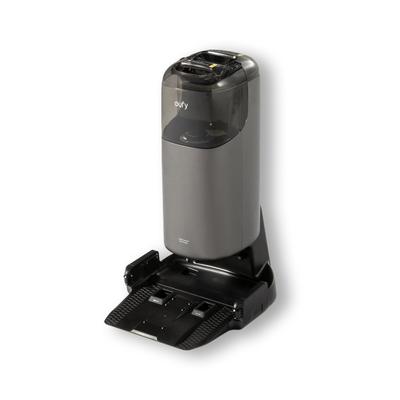
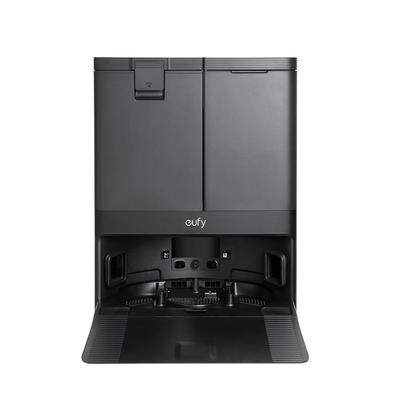
Omni Station (Low Voltage) Blakeeufy Omni Station (Low Votage) Authentic part manufactured by eufy. Compatible with X10 Pro Omni. Note: Power cord and dust bag are not included, You can purchase it through those links: Power cord: https://www.eufy.com/products/t2276111-91 Dust...229,99 $*Shipping: 0,00 $Secure redirect to the provider
-
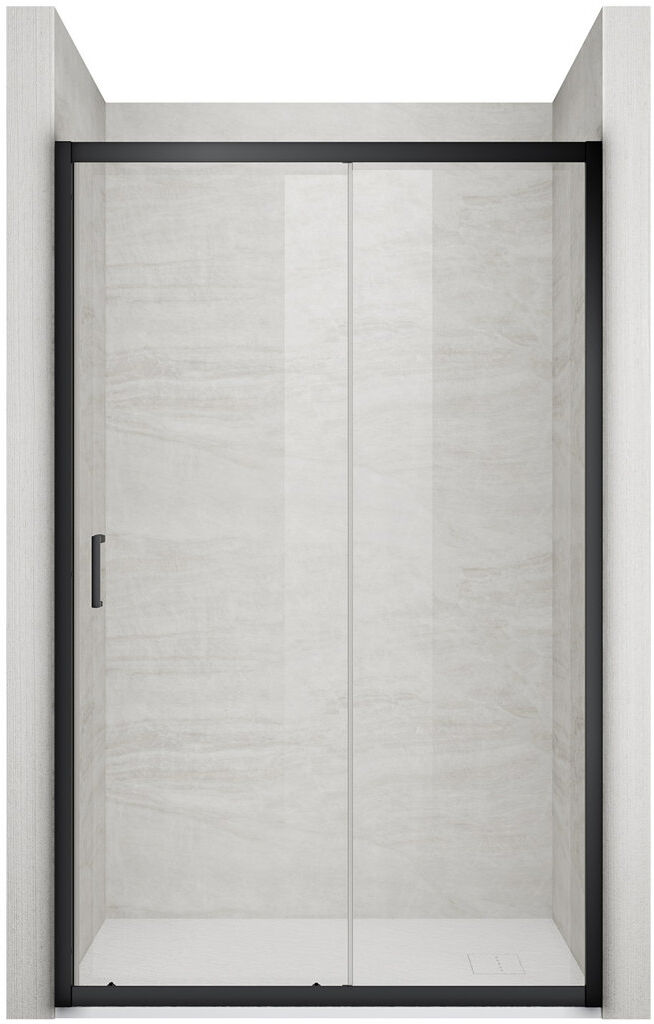
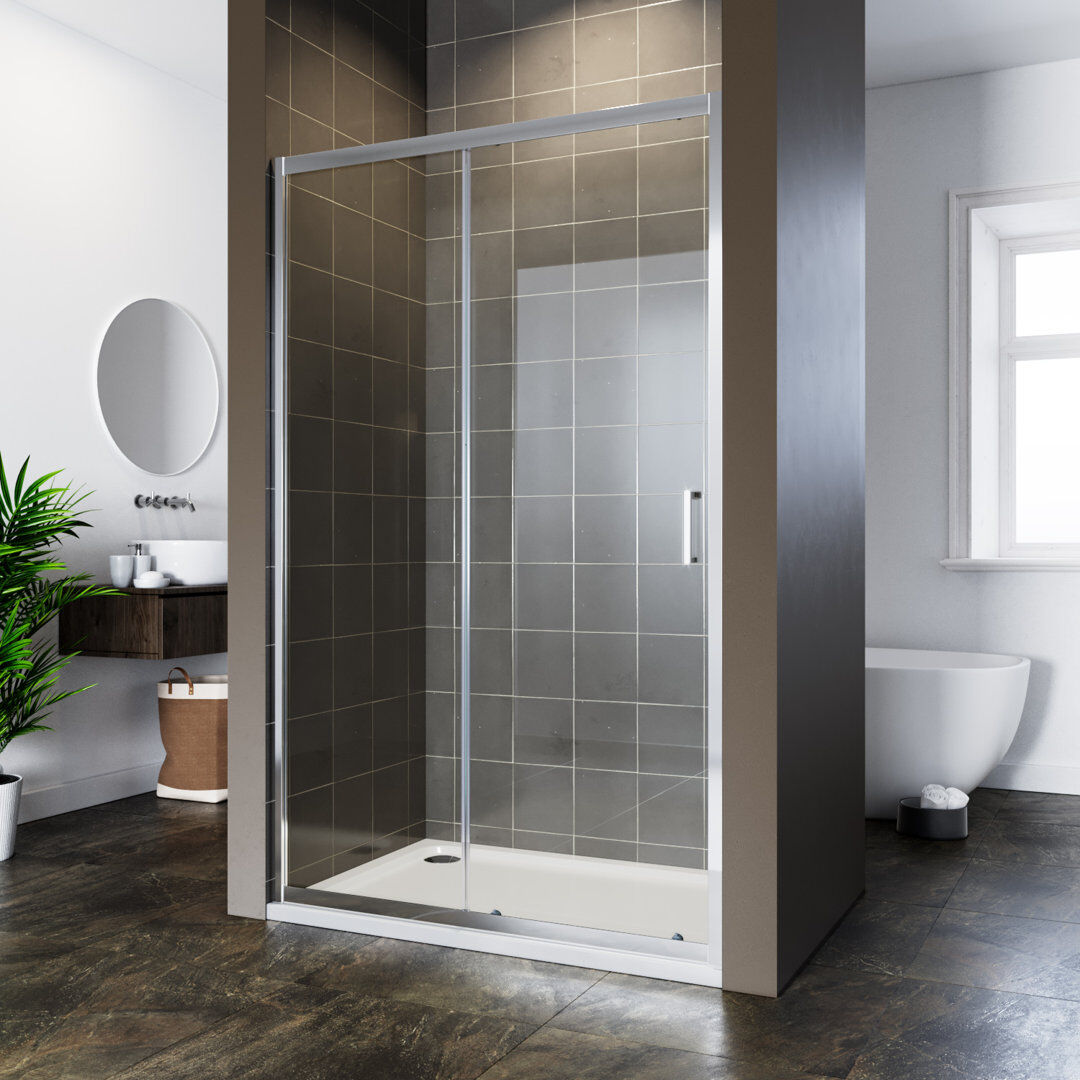
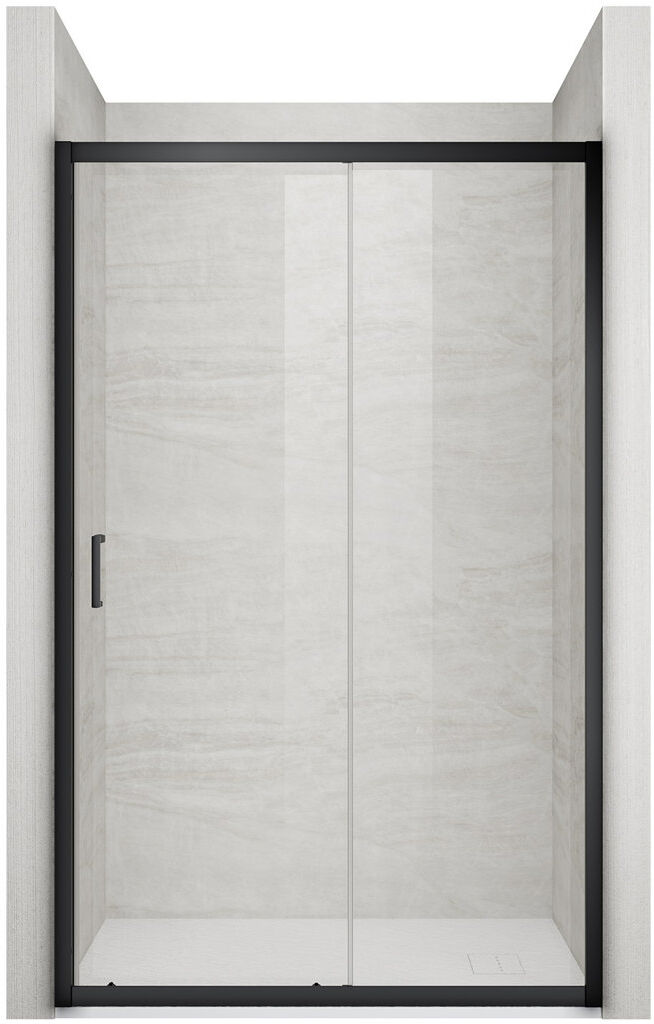
17 Stories Cost-effective single sliding door shower room, Silver Black 100"The SLC Series shower enclosures redefine modern bathroom aesthetics with their minimalist single-slide design. Crafted from a premium silver-white aluminium frame and 5mm tempered glass, this series seamlessly blends durability with sophistication. Engineered for seamless integration into contemporary spaces, the enclosure features British Standard BS EN 12150-compliant silk-screened glass and precision-tuned sliding mechanisms. Ideal for compact layouts, its adjustable design ensures a perfect fit while maintaining a sleek, uncluttered appearance. 17 Stories Size Width: 100", Finish: Black112,99 £*Shipping: 0,00 £Secure redirect to the provider
-
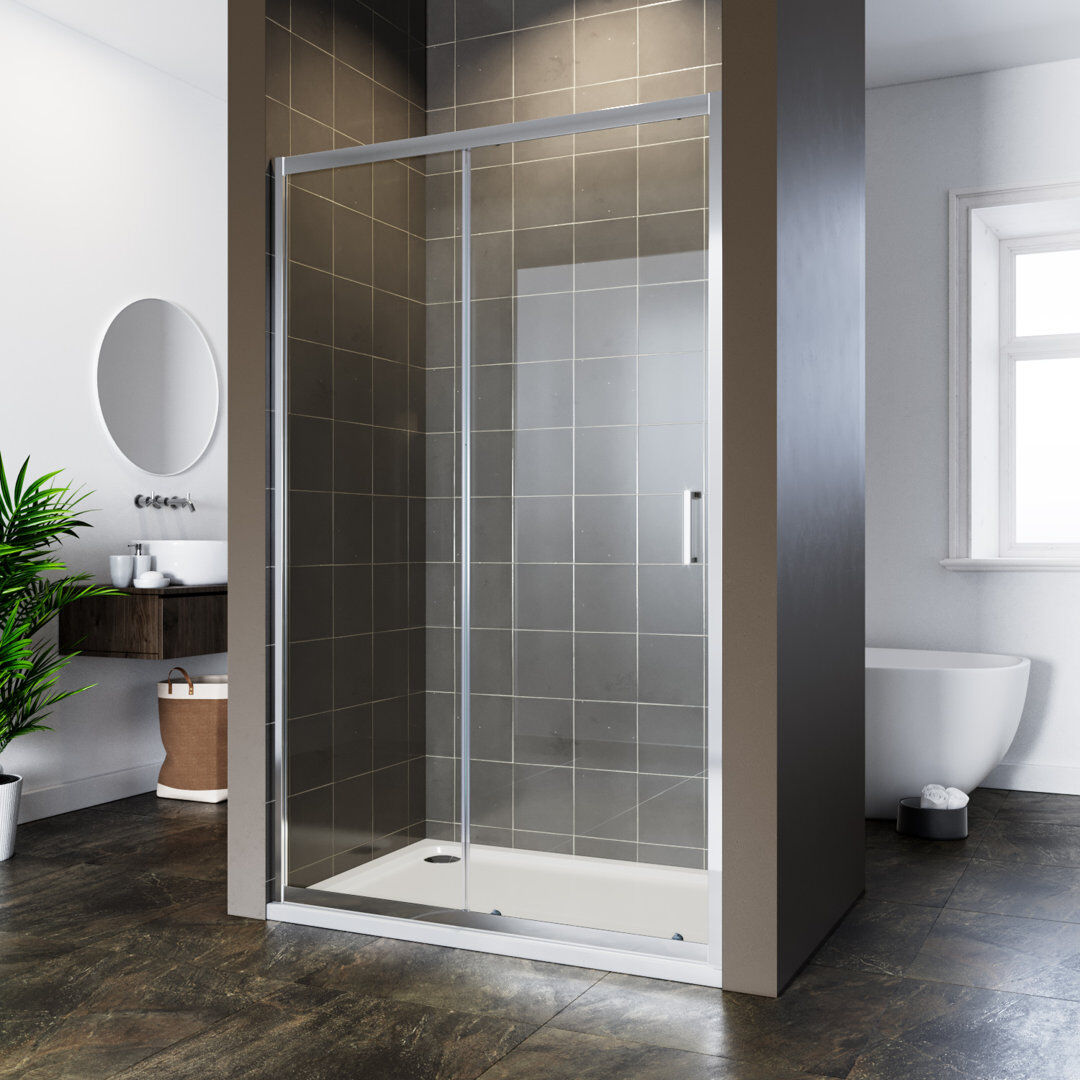
17 Stories Cost-effective single sliding door shower room, Silver Silver 110"The SLC Series shower enclosures redefine modern bathroom aesthetics with their minimalist single-slide design. Crafted from a premium silver-white aluminium frame and 5mm tempered glass, this series seamlessly blends durability with sophistication. Engineered for seamless integration into contemporary spaces, the enclosure features British Standard BS EN 12150-compliant silk-screened glass and precision-tuned sliding mechanisms. Ideal for compact layouts, its adjustable design ensures a perfect fit while maintaining a sleek, uncluttered appearance. 17 Stories Size Width: 110", Finish: Silver136,99 £*Shipping: 0,00 £Secure redirect to the provider

-
Should one use high-voltage or low-voltage LED lamps?
The choice between high-voltage and low-voltage LED lamps depends on the specific requirements of the lighting project. High-voltage LED lamps are typically easier to install and can cover longer distances without voltage drop issues. On the other hand, low-voltage LED lamps are more energy-efficient and safer to use in certain applications, such as outdoor lighting or areas where there is a risk of electric shock. Ultimately, it is important to consider factors such as the installation environment, energy efficiency, and safety when deciding between high-voltage and low-voltage LED lamps. **
-
What are examples of high-voltage transformers and low-voltage transformers?
High-voltage transformers are typically used in power distribution systems to step up the voltage for long-distance transmission. Examples include grid transformers found in substations and pole-mounted transformers used in distribution networks. On the other hand, low-voltage transformers are commonly used to step down the voltage for residential or commercial applications. Examples include doorbell transformers, landscape lighting transformers, and power adapters for electronic devices. **
-
Why is power loss low in high voltage?
Power loss is low in high voltage systems because the current flowing through the system is reduced. According to Ohm's law, power loss in a system is proportional to the square of the current. Therefore, by reducing the current, the power loss is also reduced. This is why high voltage transmission lines are used for long-distance power transmission, as they allow for lower power loss over the distance. Additionally, high voltage systems also allow for the use of thinner and lighter conductors, further reducing power loss and increasing efficiency. **
-
Can high-voltage direct current be converted into low-voltage direct current?
Yes, high-voltage direct current (HVDC) can be converted into low-voltage direct current (LVDC) using a device called a voltage converter or transformer. These devices can step down the voltage level of the DC power to a lower level suitable for specific applications. This conversion process is commonly used in various industries and applications where different voltage levels are required for different devices or systems. **
Should one choose a photovoltaic system with low voltage or high voltage?
The choice between a low voltage or high voltage photovoltaic system depends on various factors such as the size of the system, distance from the solar panels to the inverter, and the specific requirements of the installation. Low voltage systems are typically used for smaller installations and are easier to install and maintain. On the other hand, high voltage systems are more efficient for larger installations and can reduce energy losses over longer distances. Ultimately, the decision should be based on the specific needs and constraints of the project. **
What is the difference between high and low voltage?
High voltage refers to electrical systems or equipment that operate at a higher voltage level, typically above 1000 volts. These systems are used for long-distance power transmission and in industrial applications. Low voltage, on the other hand, refers to electrical systems or equipment that operate at a lower voltage level, typically below 1000 volts. These systems are used for residential, commercial, and some industrial applications. The main difference between high and low voltage is the level of electrical potential or energy they carry, with high voltage systems carrying more energy and requiring more safety precautions. **
Top-Angebote
Products related to High-voltage:
-
Kyle Books Save Money Good Diet by Phil Vickery - Paperback Cookbook - 70 Healthy Low-Cost Recipes - Budget Family CookingSave Money Good Diet is a practical cookbook from celebrity chef Phil Vickery, featuring 70 easy and affordable recipes. The book reimagines the nation's favourite dishes with a healthier twist, showing home cooks that eating well doesn't need to cost a fortune. With clear cost guidance on every recipe, this paperback is a straightforward kitchen companion for anyone wanting tasty, wallet-friendly meals the whole family will enjoy. Based on the hit television show, Save Money Good Diet tackles the problem of how to eat nutritious, satisfying food without overspending. Phil Vickery brings his decades of professional cooking experience to recreate Britain's best-loved dishes, from Spaghetti Bolognese and Chicken Tikka Masala to Fish and Chips, using healthier ingredients.7,99 £*Shipping: 2,99 £Secure redirect to the provider
-
Omni Station (Low Voltage) Blakeeufy Omni Station (Low Votage) Authentic part manufactured by eufy. Compatible with X10 Pro Omni. Note: Power cord and dust bag are not included, You can purchase it through those links: Power cord: https://www.eufy.com/products/t2276111-91 Dust...229,99 $*Shipping: 0,00 $Secure redirect to the provider
-
What is the meaning of high voltage and low voltage?
High voltage refers to an electrical potential difference that is significantly higher than the standard voltage levels, typically above 1000 volts. It is commonly used in power transmission and distribution to reduce energy losses over long distances. On the other hand, low voltage refers to a lower electrical potential difference, usually below 1000 volts, and is commonly used in household appliances and electronics. The distinction between high voltage and low voltage is important for safety reasons and to ensure the proper functioning of electrical systems. **
-
What is the difference between low voltage and high voltage?
The main difference between low voltage and high voltage is the amount of electrical potential difference between two points. Low voltage typically refers to electrical systems with a potential difference of 50-1000 volts, while high voltage refers to systems with a potential difference of 1000 volts or more. High voltage systems are used for long-distance power transmission and in industrial applications, while low voltage systems are commonly found in residential and commercial buildings for lighting, appliances, and other electrical devices. Additionally, high voltage systems require more insulation and safety precautions due to the increased risk of electrical shock and arcing. **
-
Should one use high-voltage or low-voltage LED lamps?
The choice between high-voltage and low-voltage LED lamps depends on the specific requirements of the lighting project. High-voltage LED lamps are typically easier to install and can cover longer distances without voltage drop issues. On the other hand, low-voltage LED lamps are more energy-efficient and safer to use in certain applications, such as outdoor lighting or areas where there is a risk of electric shock. Ultimately, it is important to consider factors such as the installation environment, energy efficiency, and safety when deciding between high-voltage and low-voltage LED lamps. **
-
What are examples of high-voltage transformers and low-voltage transformers?
High-voltage transformers are typically used in power distribution systems to step up the voltage for long-distance transmission. Examples include grid transformers found in substations and pole-mounted transformers used in distribution networks. On the other hand, low-voltage transformers are commonly used to step down the voltage for residential or commercial applications. Examples include doorbell transformers, landscape lighting transformers, and power adapters for electronic devices. **
Similar search terms for High-voltage
-
17 Stories Cost-effective single sliding door shower room, Silver Black 100"The SLC Series shower enclosures redefine modern bathroom aesthetics with their minimalist single-slide design. Crafted from a premium silver-white aluminium frame and 5mm tempered glass, this series seamlessly blends durability with sophistication. Engineered for seamless integration into contemporary spaces, the enclosure features British Standard BS EN 12150-compliant silk-screened glass and precision-tuned sliding mechanisms. Ideal for compact layouts, its adjustable design ensures a perfect fit while maintaining a sleek, uncluttered appearance. 17 Stories Size Width: 100", Finish: Black112,99 £*Shipping: 0,00 £Secure redirect to the provider
-
17 Stories Cost-effective single sliding door shower room, Silver Silver 110"The SLC Series shower enclosures redefine modern bathroom aesthetics with their minimalist single-slide design. Crafted from a premium silver-white aluminium frame and 5mm tempered glass, this series seamlessly blends durability with sophistication. Engineered for seamless integration into contemporary spaces, the enclosure features British Standard BS EN 12150-compliant silk-screened glass and precision-tuned sliding mechanisms. Ideal for compact layouts, its adjustable design ensures a perfect fit while maintaining a sleek, uncluttered appearance. 17 Stories Size Width: 110", Finish: Silver136,99 £*Shipping: 0,00 £Secure redirect to the provider
-
17 Stories Cost-effective single sliding door shower room, Silver Silver 120"The SLC Series shower enclosures redefine modern bathroom aesthetics with their minimalist single-slide design. Crafted from a premium silver-white aluminium frame and 5mm tempered glass, this series seamlessly blends durability with sophistication. Engineered for seamless integration into contemporary spaces, the enclosure features British Standard BS EN 12150-compliant silk-screened glass and precision-tuned sliding mechanisms. Ideal for compact layouts, its adjustable design ensures a perfect fit while maintaining a sleek, uncluttered appearance. 17 Stories Size Width: 120", Finish: Silver172,99 £*Shipping: 0,00 £Secure redirect to the provider
-
17 Stories Cost-effective single sliding door shower room, Silver Black 110"The SLC Series shower enclosures redefine modern bathroom aesthetics with their minimalist single-slide design. Crafted from a premium silver-white aluminium frame and 5mm tempered glass, this series seamlessly blends durability with sophistication. Engineered for seamless integration into contemporary spaces, the enclosure features British Standard BS EN 12150-compliant silk-screened glass and precision-tuned sliding mechanisms. Ideal for compact layouts, its adjustable design ensures a perfect fit while maintaining a sleek, uncluttered appearance. 17 Stories Size Width: 110", Finish: Black141,99 £*Shipping: 0,00 £Secure redirect to the provider
-
Why is power loss low in high voltage?
Power loss is low in high voltage systems because the current flowing through the system is reduced. According to Ohm's law, power loss in a system is proportional to the square of the current. Therefore, by reducing the current, the power loss is also reduced. This is why high voltage transmission lines are used for long-distance power transmission, as they allow for lower power loss over the distance. Additionally, high voltage systems also allow for the use of thinner and lighter conductors, further reducing power loss and increasing efficiency. **
-
Can high-voltage direct current be converted into low-voltage direct current?
Yes, high-voltage direct current (HVDC) can be converted into low-voltage direct current (LVDC) using a device called a voltage converter or transformer. These devices can step down the voltage level of the DC power to a lower level suitable for specific applications. This conversion process is commonly used in various industries and applications where different voltage levels are required for different devices or systems. **
-
Should one choose a photovoltaic system with low voltage or high voltage?
The choice between a low voltage or high voltage photovoltaic system depends on various factors such as the size of the system, distance from the solar panels to the inverter, and the specific requirements of the installation. Low voltage systems are typically used for smaller installations and are easier to install and maintain. On the other hand, high voltage systems are more efficient for larger installations and can reduce energy losses over longer distances. Ultimately, the decision should be based on the specific needs and constraints of the project. **
-
What is the difference between high and low voltage?
High voltage refers to electrical systems or equipment that operate at a higher voltage level, typically above 1000 volts. These systems are used for long-distance power transmission and in industrial applications. Low voltage, on the other hand, refers to electrical systems or equipment that operate at a lower voltage level, typically below 1000 volts. These systems are used for residential, commercial, and some industrial applications. The main difference between high and low voltage is the level of electrical potential or energy they carry, with high voltage systems carrying more energy and requiring more safety precautions. **
* All prices are inclusive of VAT and, if applicable, plus shipping costs. The offer information is based on the details provided by the respective shop and is updated through automated processes. Real-time updates do not occur, so deviations can occur in individual cases. ** Note: Parts of this content were created by AI.